Category: glossaire
Categories
Wicker bark
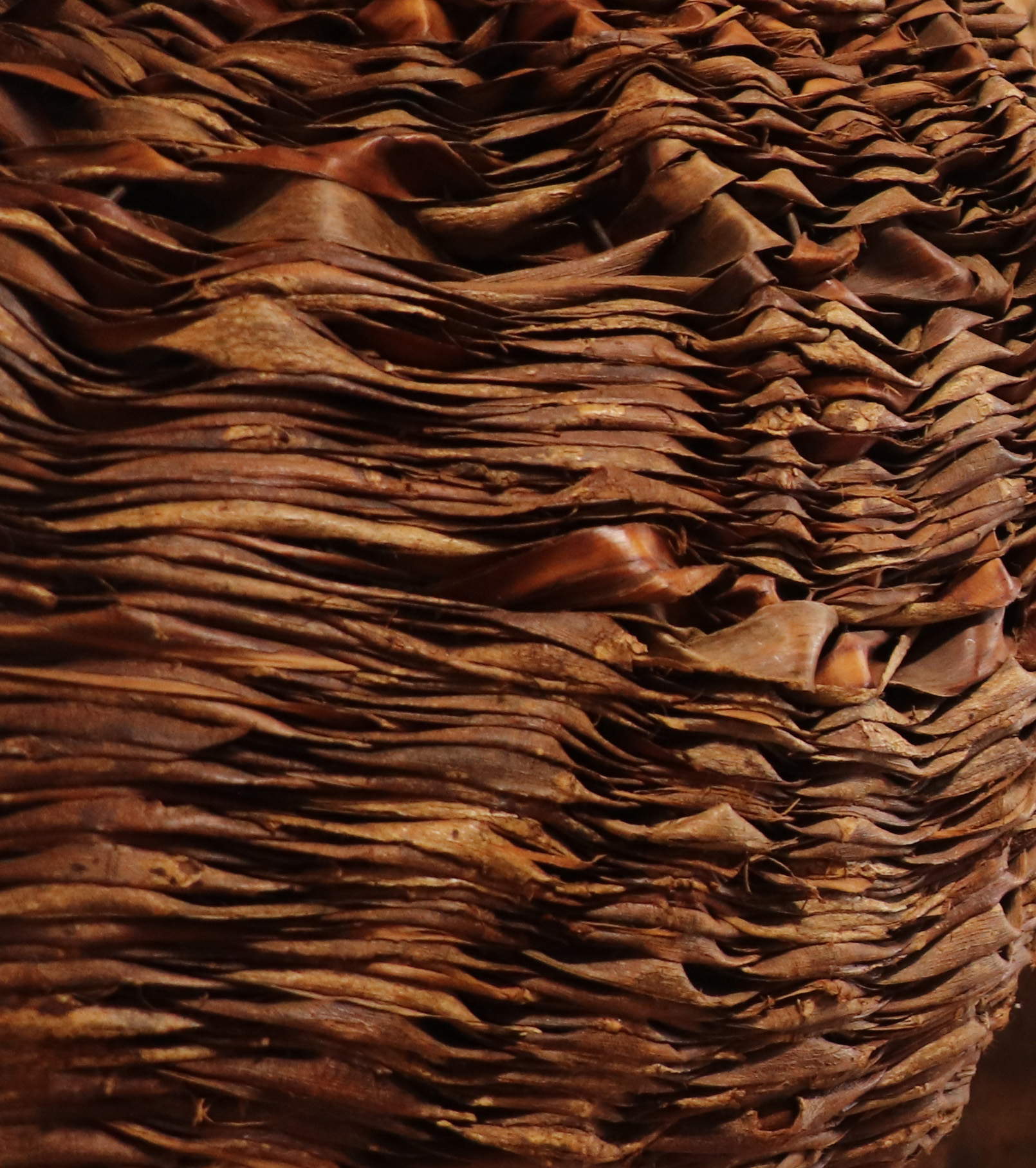
Wicker bark can be used as a tie or become also as a material for weaving.



Two strands of wicker intertwined between the ribs and the coursons to keep them in the open work.

Art of weaving plants fibers.
Categories
Little torch weaving
Crocane weaving with a passageway of two in front of the ribs and one behind them.

Assembly at least three strands intertwined around the ribs giving the illusion of a string. It is placed before the start of a weaving to reinforce the structure or at the end of a weaving before the edge to level and maintain the weaving.
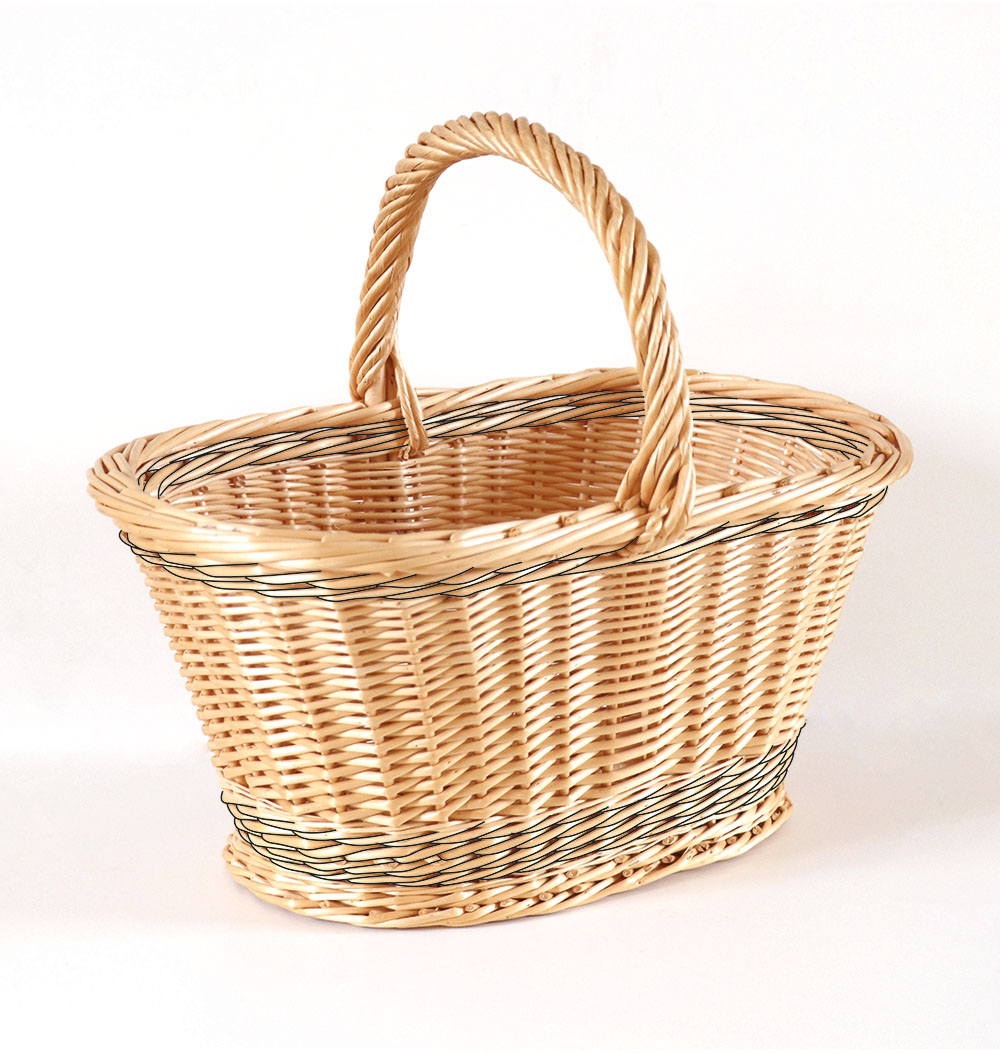
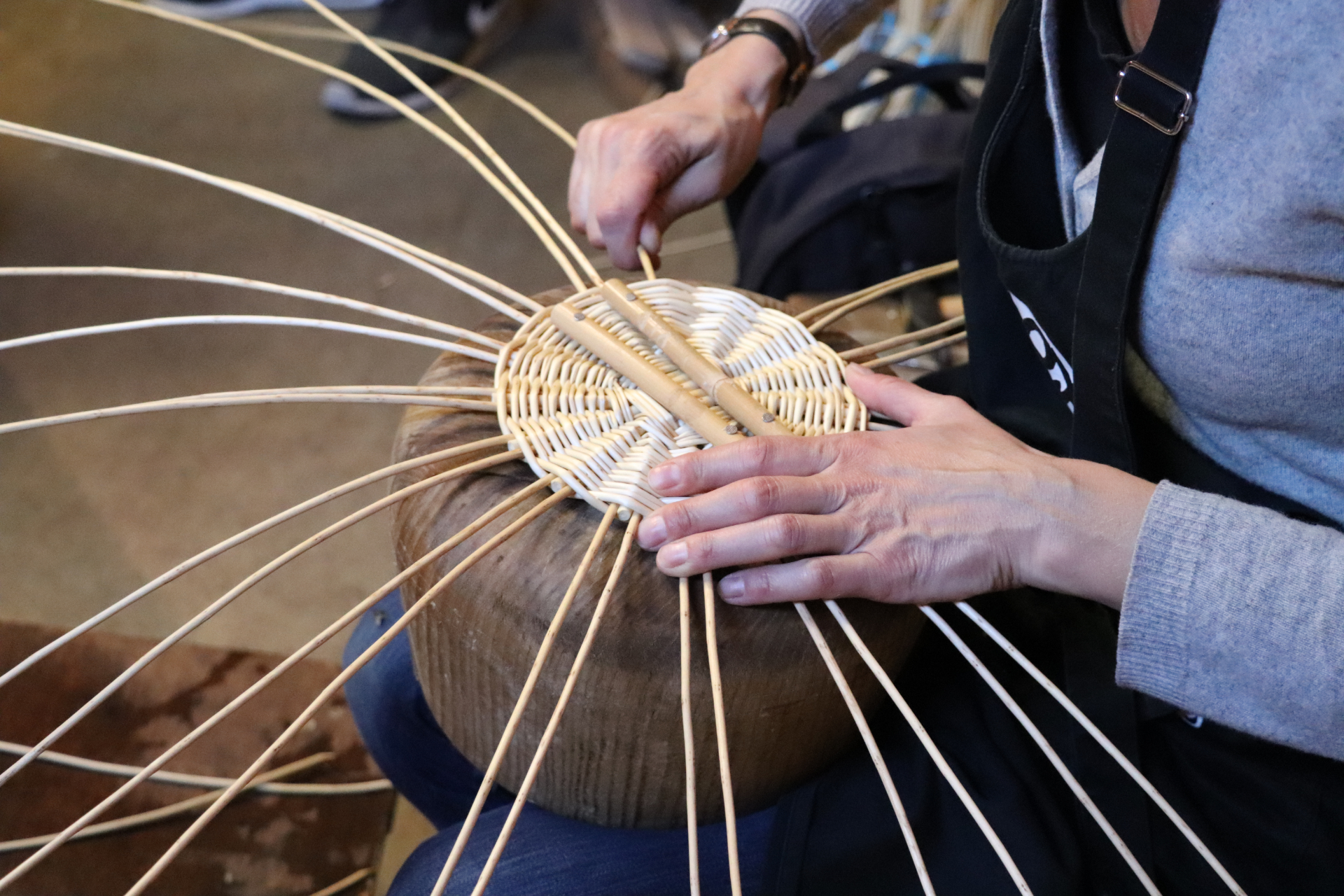
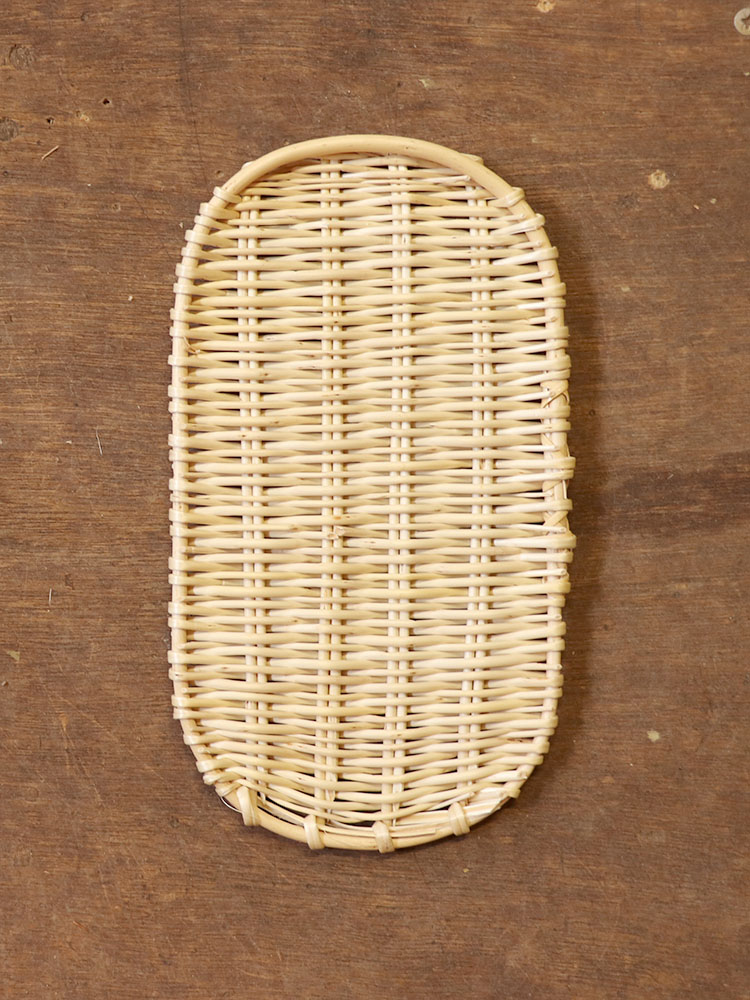
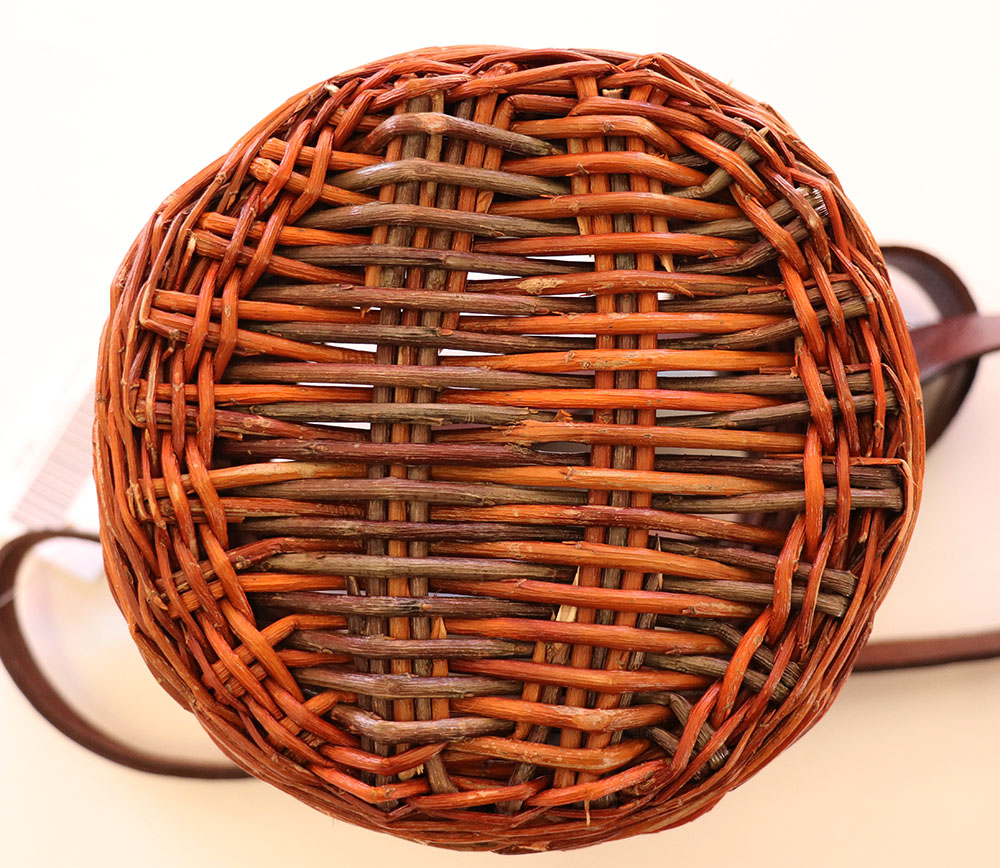
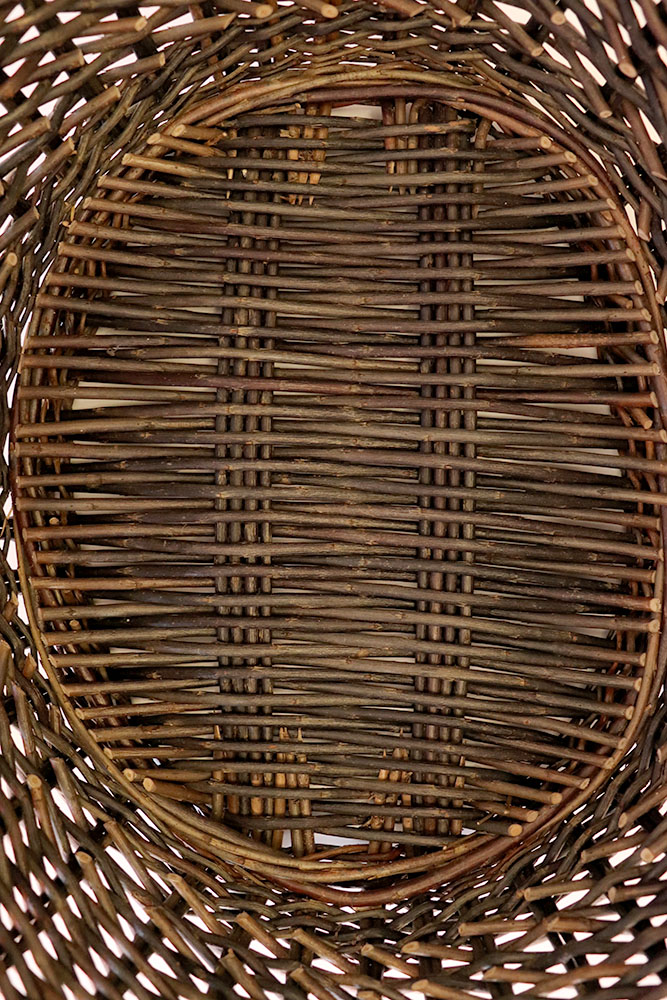
Starting point of an object. It can be round, oval, square or rectangular and filled with twined weaving, crocane or chain pairing.

Wickerwork characterised by a tightly woven weave on an oak slat support (van, hood for example).

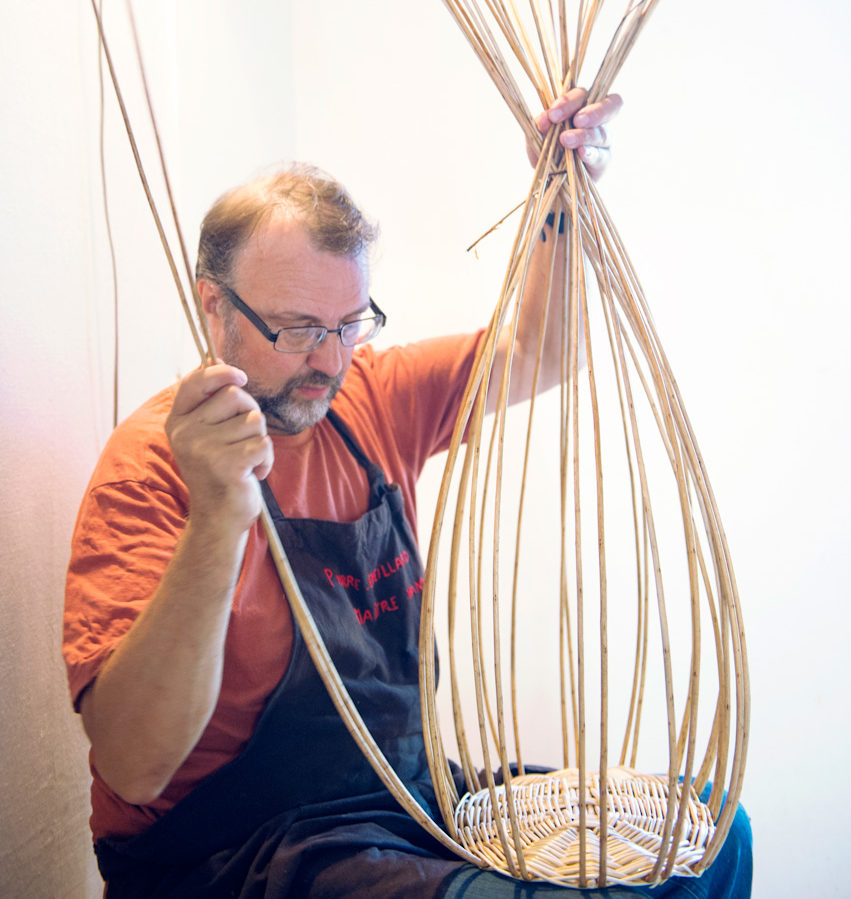
In the body of the basket, the ribs are the strands that occupy the vertical position around which the other wicker is interwoven. They can be fixed in two ways: warped to the bottom mould or stitched into the bottom.
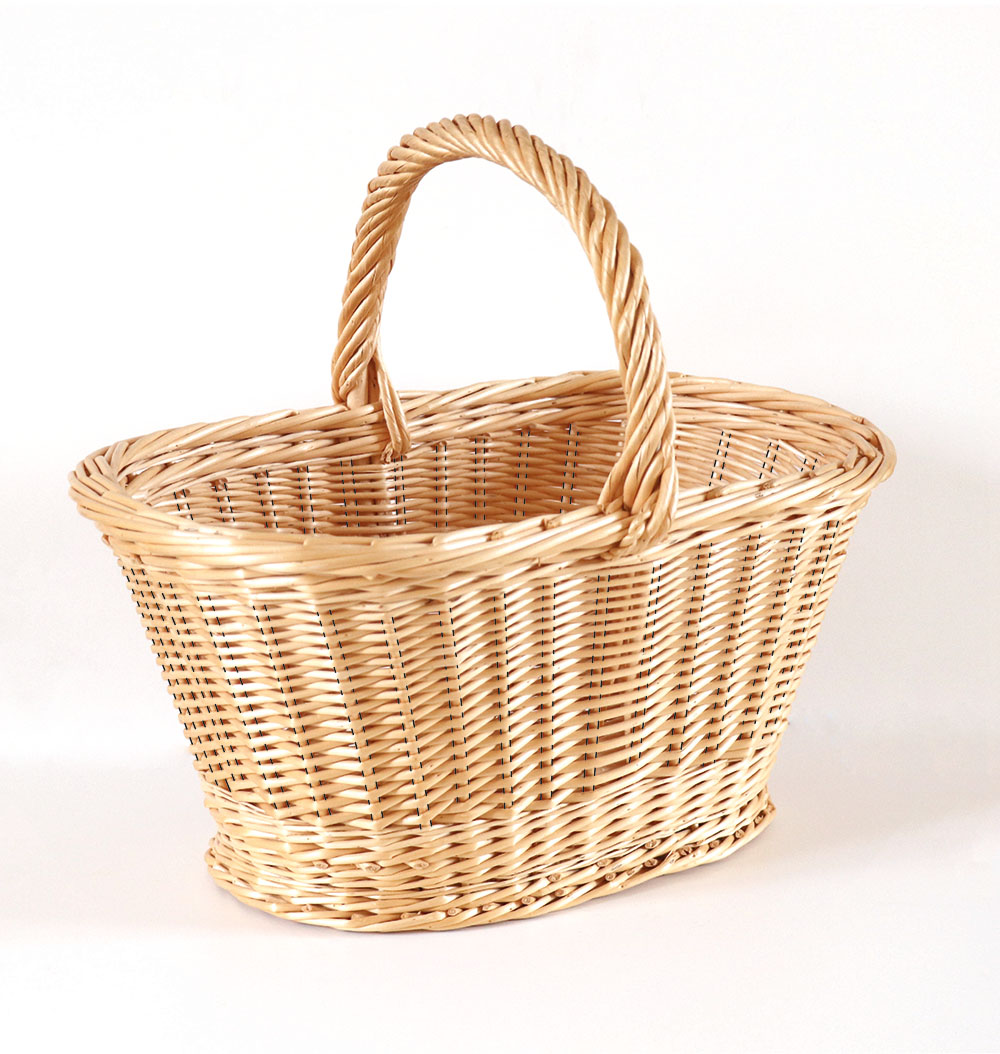
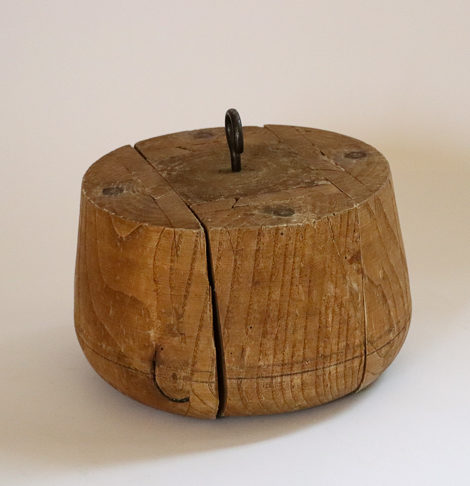
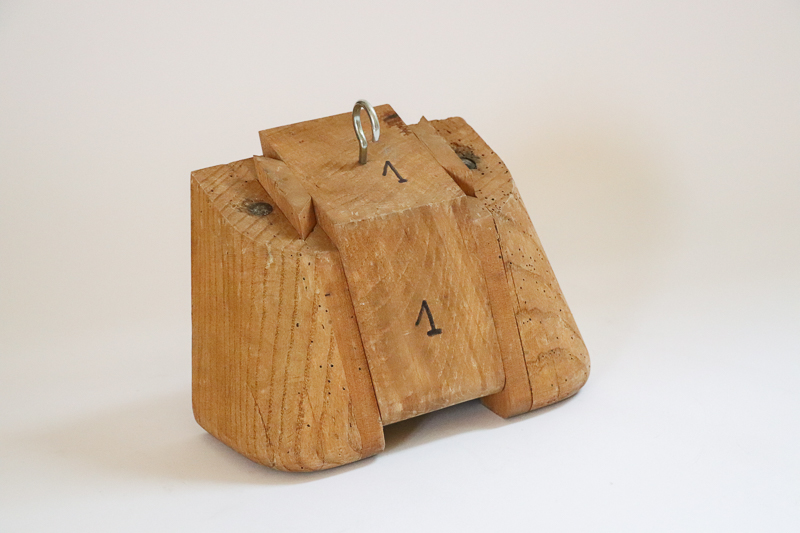
A piece of wood used as a guide to obtain and reproduce a precise shape.